
What is human change?
Today’s children are growing up in a world where their core developmental milestones are interrupted by technology, their earliest relationships are mediated through screens, and AI is robbing their ability to think critically and solve problems for themselves. This level of digitalization is profoundly changing what childhood looks like today – and what kind of adults those children grow up to be.

Our children are especially vulnerable to the phenomenon I call ‘Human Change’ – the cultural shift in which their core development and understanding of relationships are unfolding behind screens and shaped by addictive algorithms.
Margarita Louis-Dreyfus, Founder, Human Change Foundation
Signs of Human Change
Increasingly, real life interactions are being replaced or diluted by virtual ‘connectivity’, manipulative algorithms, and platforms that exploit our attention and attachment. This is changing the very essence of what it means to be human – and children are the most vulnerable.
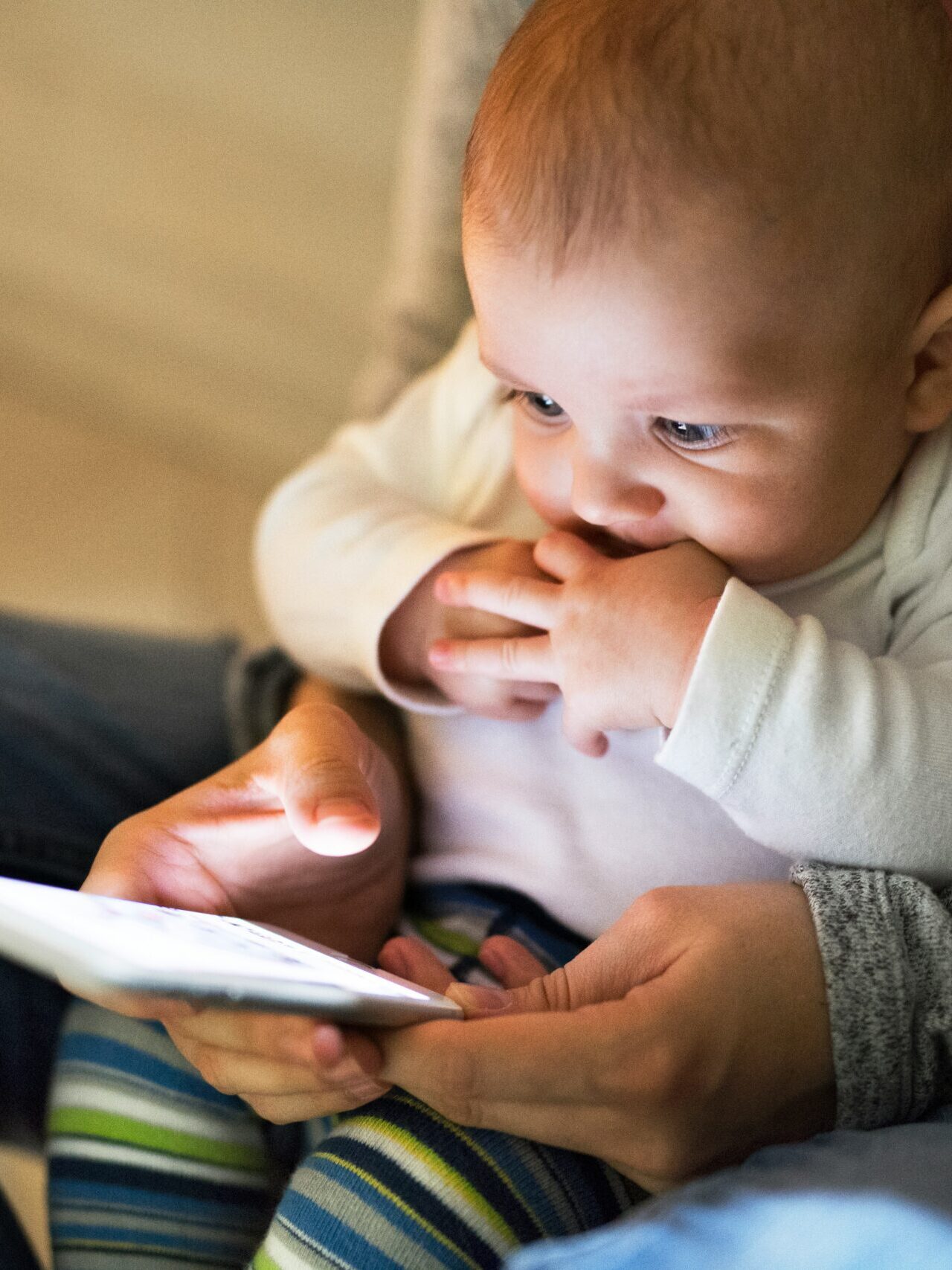
Societal Change
The over-digitalization of childhood is driving serious, large-scale societal changes and we are only just beginning to see the consequences.
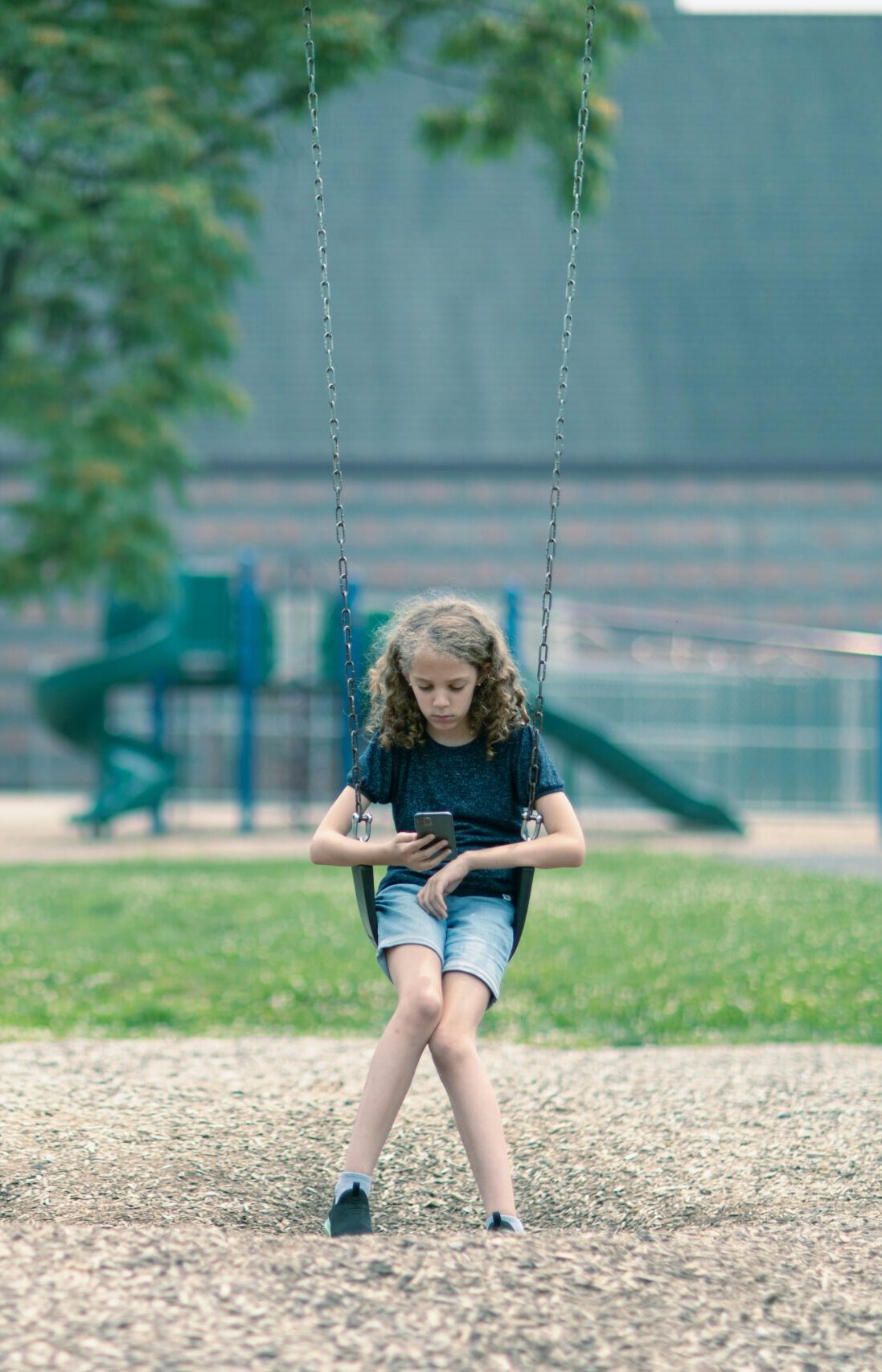
Epidemic of Loneliness
We are the most connected generation in history – and the loneliest. The technology which promised to make us more connected has only deepened social isolation.
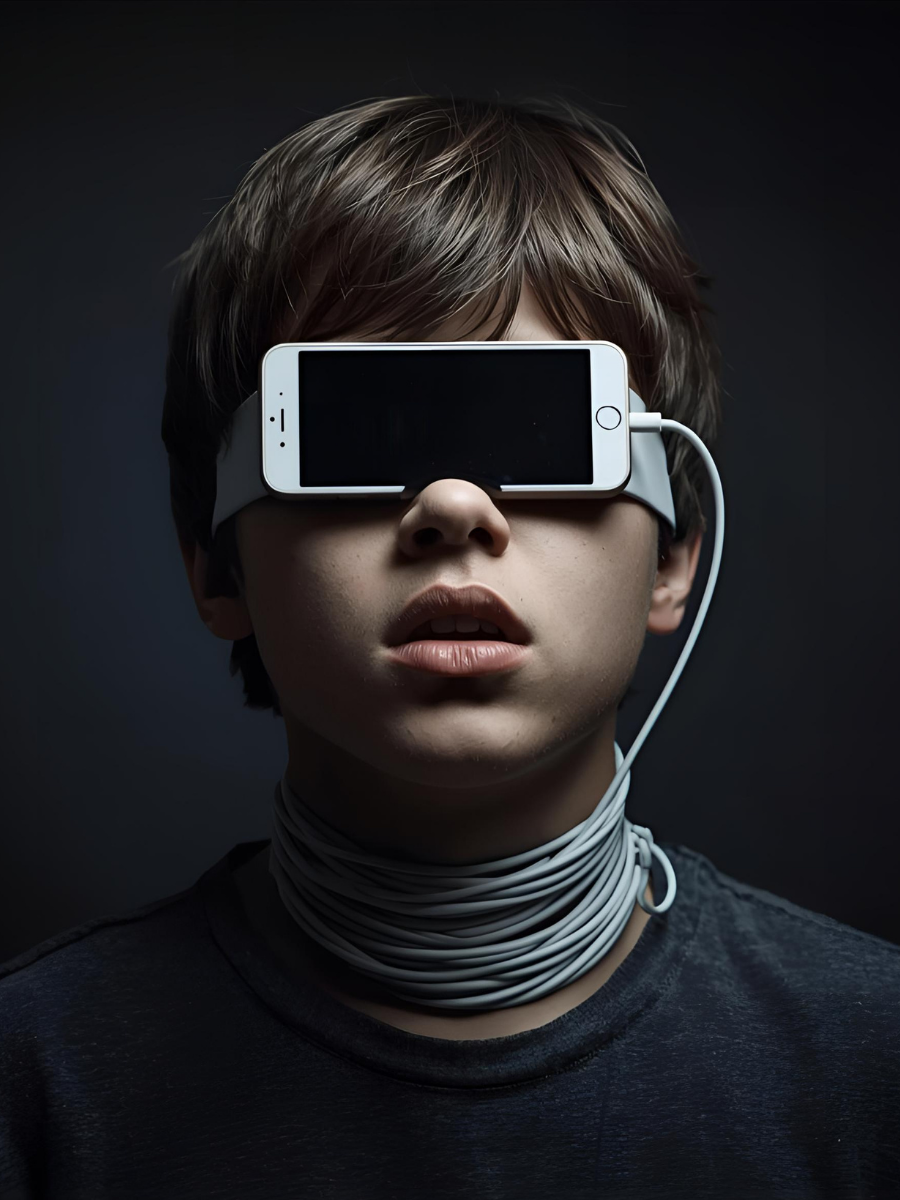
Digital Addiction
We live in the attention economy, where advertisers and technology companies’ success depends on how long they can keep us online. As a result, technological design often fuels addictive behaviors.
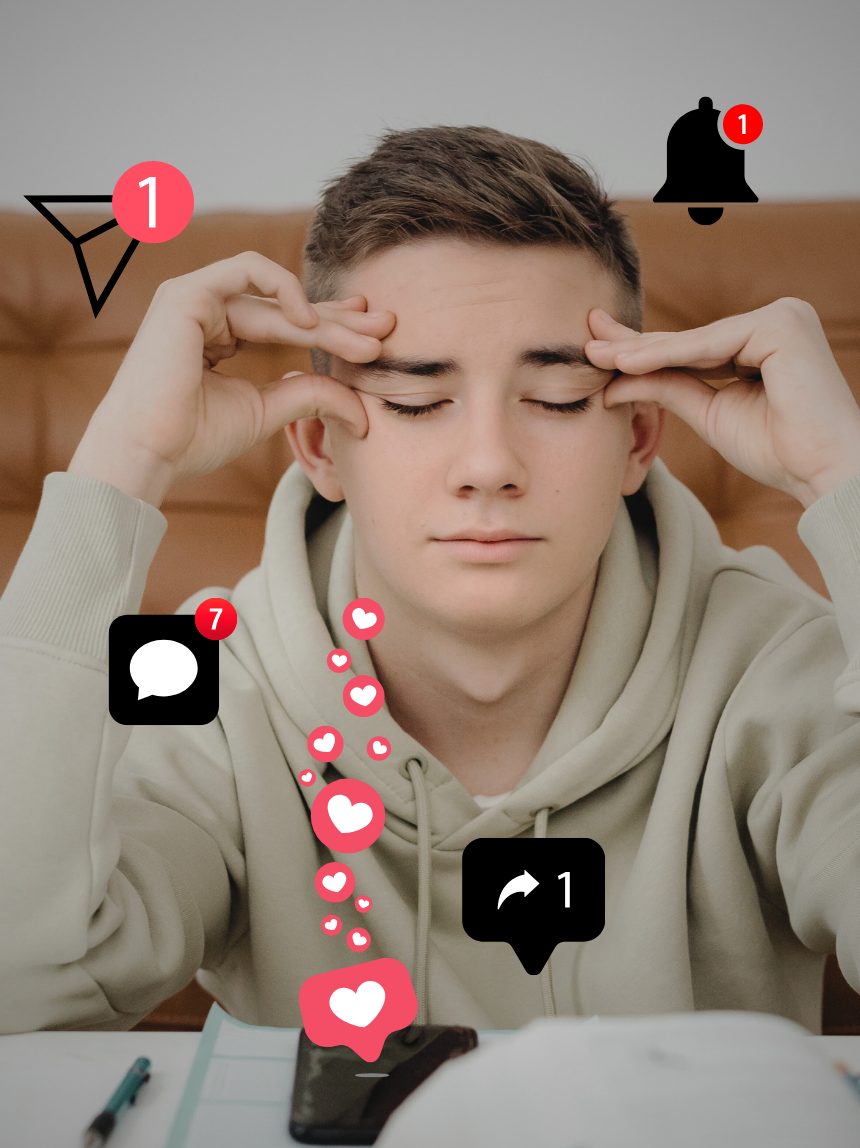
Loss of Essential Life Skills
Over-reliance on digital technology and AI is changing how young people learn, behave, and communicate. Essential life skills are being lost.